
My grand father was a Schutterij, Stamboeknummer 4052
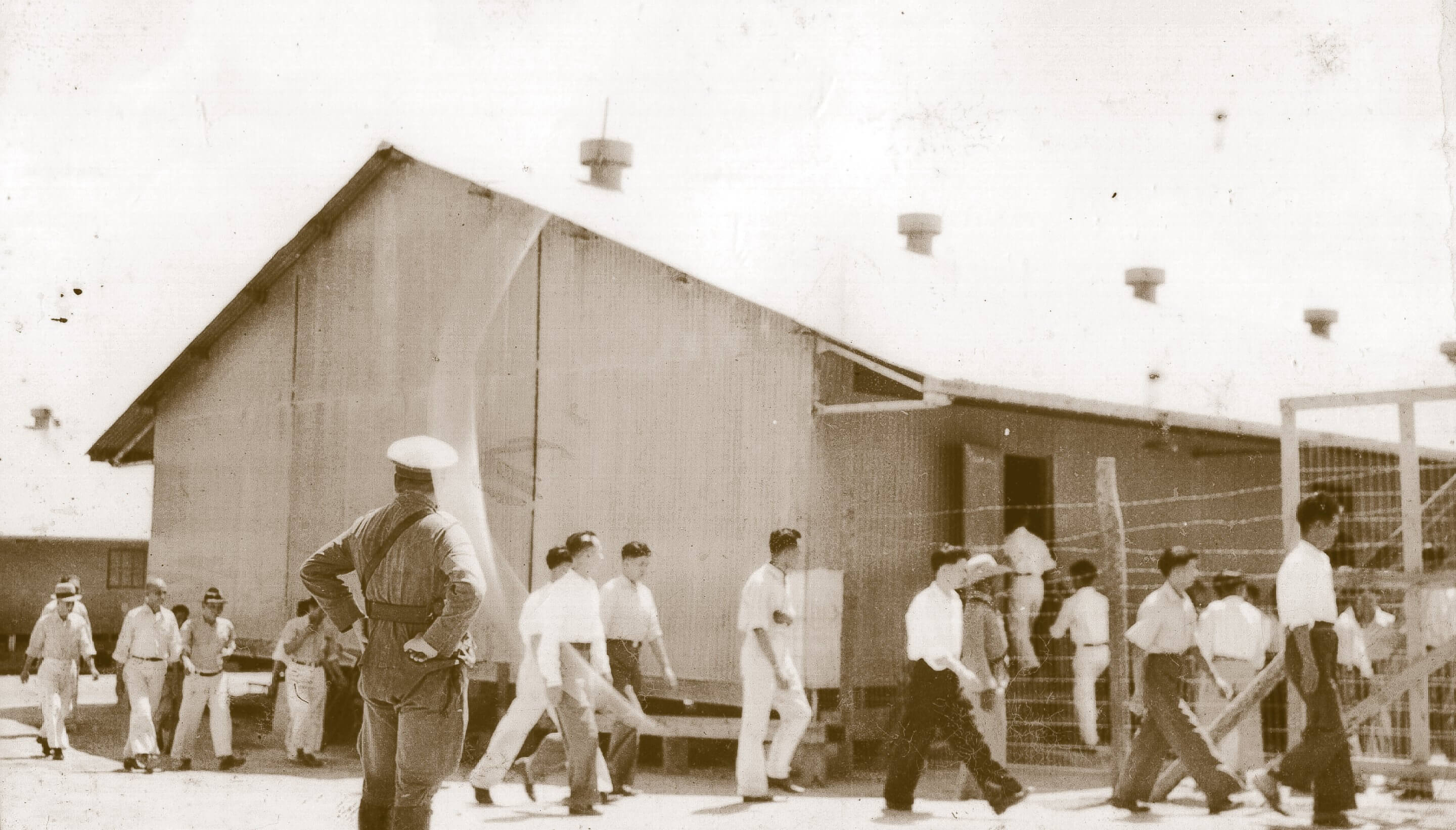
Chinese strikers in camp on Curaçao
After German submarine attacks on 16 February 1942, tankers of the Curaçaosche Scheepvaart Maatschappij (CSM) stayed in port. On 25 February, unrest began when Chinese crew members — about 50% of CSM’s workforce — refused to sail, demanding better pay. A similar strike on Aruba ended quickly after an agreement with the LAGO Oil Company.
On Curaçao, talks with the CPIM Oil Company stalled. The Chinese asked for a 50 guilder raise; the company offered 4 guilder. Strikers were replaced, and 18 leaders were arrested. Eventually, 428 Chinese sailors entered a camp voluntarily, under relaxed conditions.
In mid-March, Dutch officers also went on strike over crew quality. They were briefly imprisoned, then released after an agreement. CSM ships resumed sailing — without the Chinese. To break the deadlock, authorities tried to separate hardline leaders from the rest. On 20 April, during an early morning operation, violence broke out as Chinese detainees resisted. Dutch troops opened fire.
Fifteen Chinese sailors died, and five Dutch personnel were wounded. The deceased were later buried at Kolebra Bèrdè Cemetery in Willemstad.
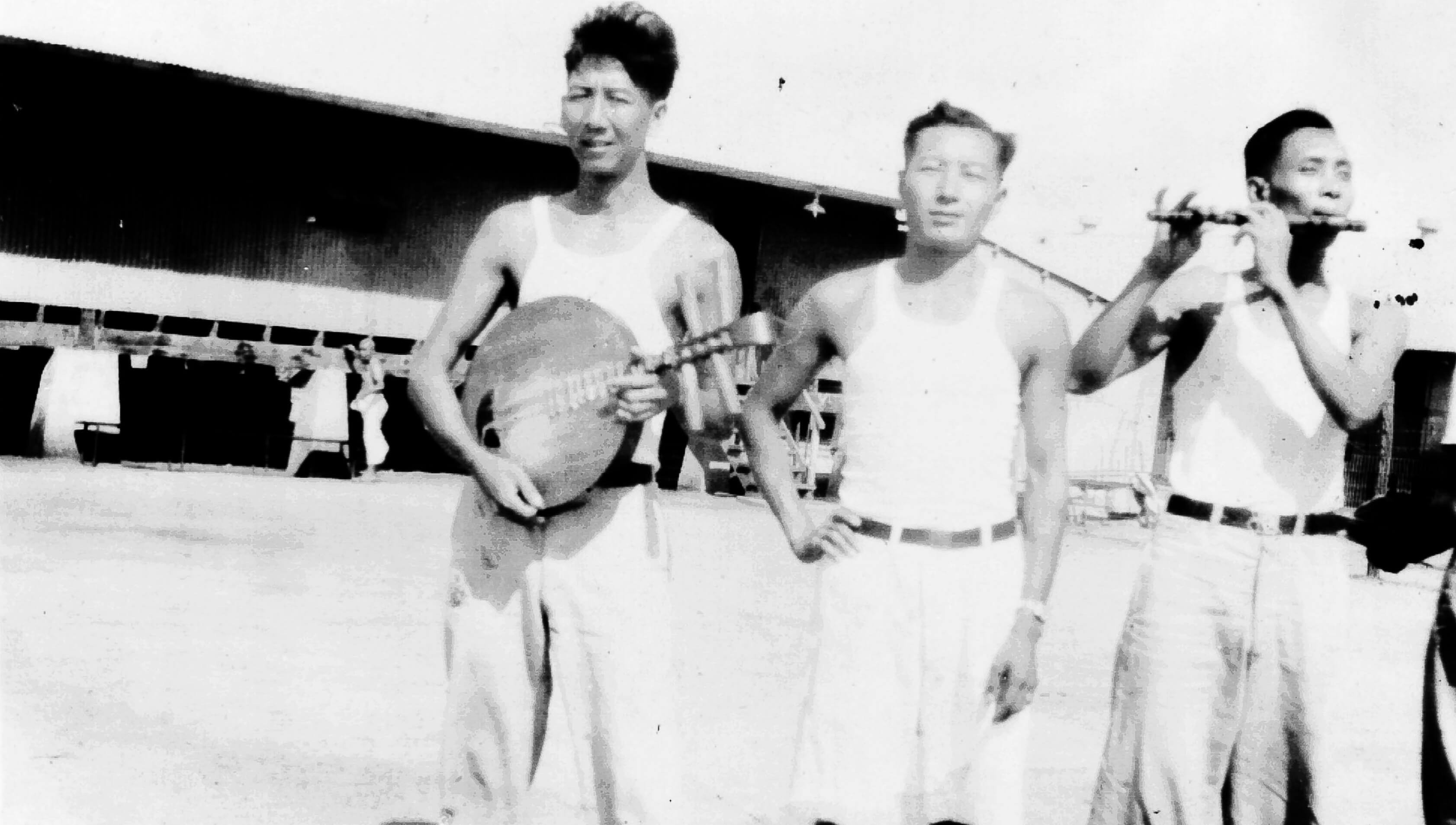
The handling of the CSM strike and the disastrous outcome leads to an investigation. Due to earlier incidents, added to the CSM strike, Governor Wouters asks to be relieved of his post. The remaining Chinese stay in the CPIM camp. On 21 May the Chinese Consul-General arrives from Havana (Cuba) to assist in the negotiations. They drag on until December 1942, after which an agreement is finally reached. 368 Chinese crewmembers return to their ships. But 52 Chinese men indicate that they will not work for CSM anymore. Because they can not return to China and also can not be released, they stay in the camp until the end of 1944.
This page is intended to tell the events around the CSM strike as accurately as possible. It is an important event that happened during the war. Whether the Chinese crewmembers were right or wrong to attack the Dutch forces is for others to judge. But it is appropriate to mention their names, since they are part of our collective history.
